"When Patients Are Not Included, Studies Can Be Technically Strong but Miss What Matters."
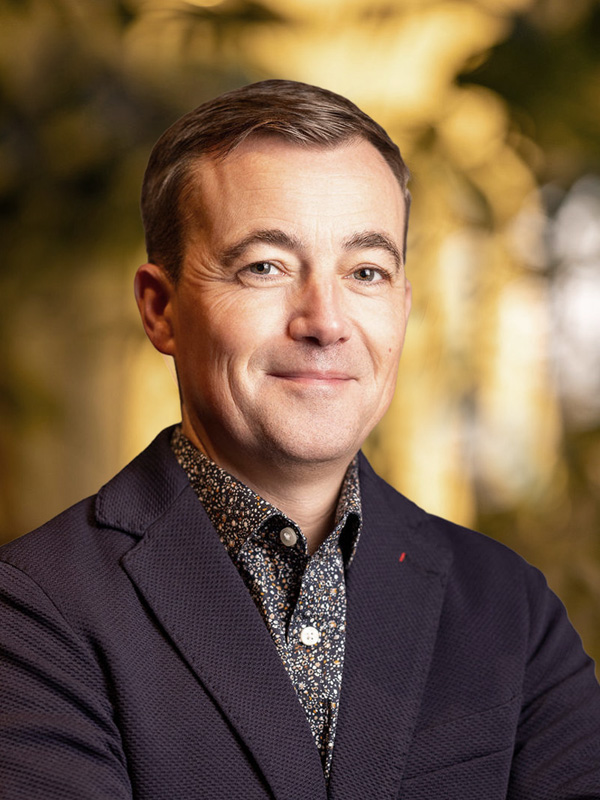 David Kelly
Operations Manager, Global Heart Hub
How did you become involved in advocating for and/or participating in patient-centric outcomes research?
I was born with a congenital heart defect that was picked up by a routine stethoscope check at age 4, and I underwent a valvotomy just weeks later. When I underwent further open-heart surgery at age 46, I was initially given a choice of 2 valve types. Through my own research I found a third option and a surgeon in Ireland who could perform it. After what I consider a textbook shared decision-making process, I ended up having the surgery that I felt best suited my life and needs—the one that was not initially put forward as an option.
Through that patient journey, I became aware of Global Heart Hub (GHH), and I was delighted to join its team as Ops Manager in 2022. Noting a lack of high-quality, patient-led research about the experience of being diagnosed and living with high cholesterol, GHH made its first significant move into patient-led and patient-centric research with a project documenting patient experiences in 3 countries with very different health systems: Australia, Brazil, and the United States. The findings were presented at 8 major medical congresses, including ISPOR 2024. In fact, that study was so successful that we are now engaged in a similar project focused specifically on the experiences of women with cardiovascular disease.
What’s been the most rewarding thing for you about being a patient expert?
There are several:
- Helping patients and caregivers feel like someone gets what they’re going through
- Helping to address barriers and bridge gaps between doctors and patients when it comes to their cardiac care
- The work we do to improve system-delivered care
- Building global connections
What’s been the most challenging thing?
Some that I personally struggle with at times:
- Navigating medical complexity, especially things like what puts you at risk, interconnected conditions, and the latest treatments.
- Patients not being taken seriously by medical professionals or researchers. This is why involvement in patient-led research is crucial, as it gives patients a more comprehensive understanding of their experiences.
- Feeling pressure to represent diverse experiences. Every patient’s experience is unique and can’t be taken as a representation of an entire community.
- Balancing patient expert responsibilities with other parts of life like work, family, and paying for healthcare.
What’s something that research too often overlooks or gets wrong about what’s important to patients?
Gaps include:
- Overemphasis on clinical outcomes. “Quality of life” factors can be treated as secondary when for many patients they are a primary consideration. Likewise, adherence is often framed as a patient problem rather than a system design issue.
- Ignoring emotional and social impacts. Research doesn’t always capture the fear of recurrence, its impact on relationships, or depression and isolation after a diagnosis.
- Lack of diversity in patient voices. Many studies still underrepresent women, older adults with multiple conditions, ethnic minorities, or lower-income groups.
- Focusing on single diseases when patients often live with many. Siloed research misses how treatments interact or compete in real life. GHH is part of a growing movement to discourage those models.
- Not involving patients early enough. When patients are not included in shaping research questions, study design, and outcome measures, studies can be technically strong but miss what actually matters.
HEOR often involves assessing costs vs benefits of treatments. In your opinion, what is one type of cost and one type of benefit that aren’t considered often enough in these analyses?
An underconsidered cost is patient and caregiver time. For patients, especially those with chronic illness, time is a scarce and meaningful resource. Lost work hours, reduced personal time, and caregiver burden can significantly affect quality of life, yet are often excluded or only roughly estimated in models.
An underconsidered benefit is improved daily functioning and independence in everyday activities like working and socializing. Existing tools for measuring health-related quality of life may not fully capture the nuanced improvements that matter most to individuals.
David Kelly is the Operations Manager for Global Heart Hub, the first global nonprofit established as a voice for patients living with cardiovascular disease. He is based in Galway, Ireland.