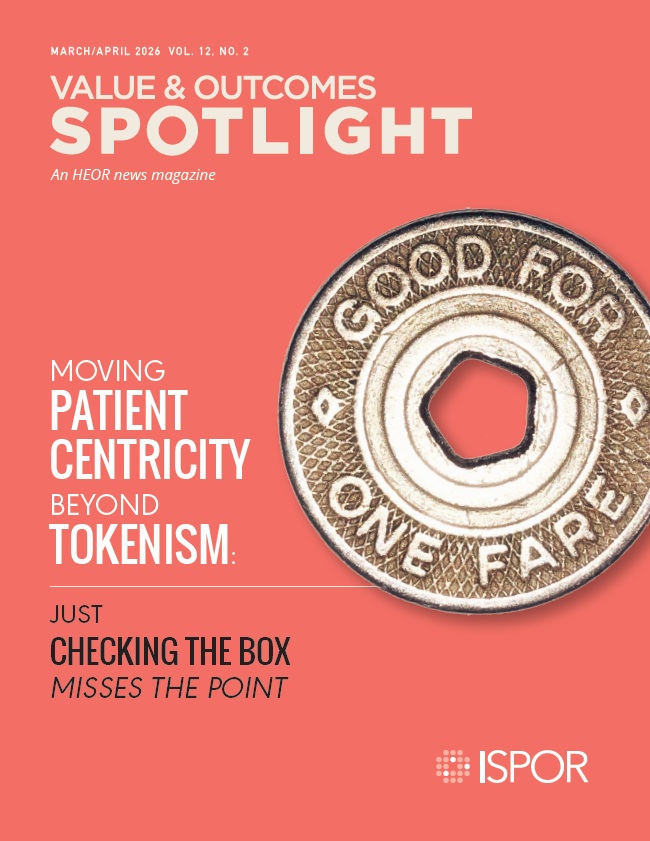
"Sometimes Patient Voices Are Invited to the Table but Not Fully Integrated Into Decisions."
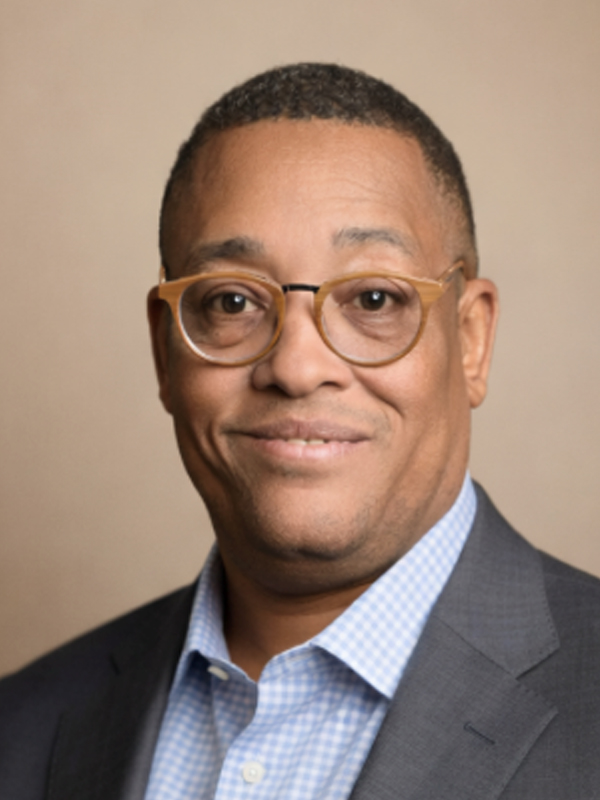 Kevin Wake
Independent Patient & Sickle Cell Advocate
How did you become involved in advocating for and/or participating in patient-centric outcomes research?
My involvement in advocacy began after my career in pharmaceuticals ended due to health complications from my sickle cell disease. My passion grew from simply assisting other patients navigating a similar journey to using my lived experiences to narrow gaps in patient care, reduce barriers, and review what healthcare systems measure.
As I became more engaged in advocacy, I realized that patients bring critical insights into what truly matters in care—quality of life, pain management, and daily functioning. This led me to participate in research discussions, advisory groups, and outcomes initiatives that elevate the patient voice. I believe patients should not only be subjects of research, but active partners in shaping the questions, outcomes that matter most to them, and solutions that improve care for our communities.
What’s been the most rewarding thing for you about being a patient expert?
The most rewarding part of being a patient expert is knowing that my lived experience can help shape better care for others. By sharing my perspective, I can help researchers and healthcare leaders understand what truly matters to patients beyond clinical data. It’s powerful to see patient voices influence research questions, care models, and policies that impact real lives.
I also value helping other patients feel heard and empowered. When patients are recognized as partners in research and decision making, it leads to more meaningful outcomes and more compassionate healthcare systems.
What’s been the most challenging thing?
One of the most challenging parts is ensuring that patient perspectives are not just heard, but truly valued and acted upon. Sometimes patient voices are invited to the table but not fully integrated into decisions. Often, patient voices are sought only to “check a box” that patients were involved.
Navigating technical research language and complex healthcare systems also can be hard. Despite these obstacles, I continue to speak up, because more patient involvement will lead to better research, more relevant outcomes, greater trust from patients, and ultimately better care for the communities we serve.
What’s something that research too often overlooks or gets wrong about what’s important to patients?
Research often focuses on clinical measures and numbers while overlooking what patients experience in daily life. Things like pain burden, fatigue, mental health, the ability to work, maintain relationships, or simply get through a normal day are sometimes not captured in traditional outcomes. Patients care deeply about quality of life, not just lab results or hospitalizations.
Another challenge is that researchers may assume what matters to patients without asking them directly. When patients are meaningfully involved from the start, research becomes more relevant and better reflects the real challenges people face when living with chronic conditions.
HEOR often involves assessing costs vs benefits of treatments. In your opinion, what is one type of cost and one type of benefit that aren’t considered often enough in these analyses?
One cost that is often overlooked in HEOR is the emotional and psychological burden of living with a chronic condition. Stress, trauma, and the impact of repeated healthcare experiences affect engagement, adherence, and overall well-being but are rarely quantified.
One benefit that is not considered enough is improved quality of life and the benefit long-term. The ability to work, attend school, maintain relationships, and live independently are meaningful benefits beyond clinical outcomes. These real-life improvements are imperative in evaluating the true value of treatments.
Kevin Wake is the former President of the Uriel E. Owens Sickle Cell Disease Association of the Midwest, a Board member for the International Consortium for Health Outcomes Measurement, and an independent patient and sickle cell advocate based in Kansas City, Missouri.