"Patients Do Not Experience Their Health in Isolated Variables. We Experience It as a Whole Life."
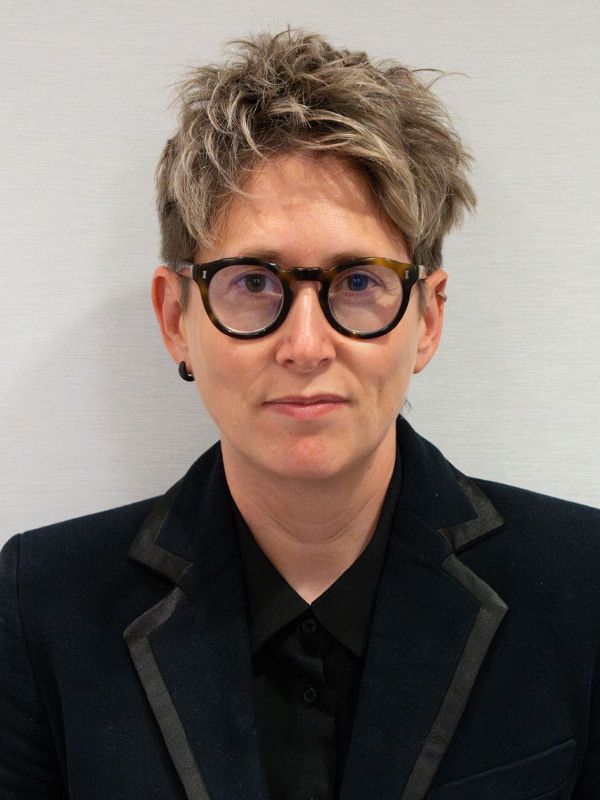 Lara Bloom
President and CEO, The Ehlers-Danlos Society
How did you become involved in advocating for and/or participating in patient-centric outcomes research?
My journey into patient-centric outcomes research was never a career decision in the traditional sense. It was a necessity. Living with a complex, often misunderstood condition meant I quickly saw the gap between what mattered to clinicians and what shaped my daily reality. I stepped into advocacy to close that gap. Over time, that grew into working alongside researchers, not just as a subject, but as a partner. I have always believed that lived experience is not anecdotal. It is data with depth, and it deserves a seat at every table where decisions are made.
What’s been the most rewarding thing for you about being a patient expert?
The most rewarding part has been seeing the patient voice move from the margins into the center of conversations. When a researcher pauses and says, “I had not thought of it that way,” or when a study design shifts because of patient input, that is powerful. It means we are not just being heard, we are shaping outcomes. On a human level, it is also deeply meaningful to know that lived experience can create a smoother path for those who come after us.
What’s been the most challenging thing?
One of the hardest things is the constant need to justify the value of lived experience. Patients are still too often invited in as a token rather than trusted as experts. There is also an emotional cost. You are not just sharing ideas, you are sharing pieces of your life, sometimes repeatedly, sometimes in rooms that are not yet ready to truly listen. Balancing that vulnerability with the need to remain strategic and impactful can be exhausting, but it is also what drives meaningful change.
What’s something that research too often overlooks or gets wrong about what’s important to patients?
Research too often focuses on what is easy to measure rather than what actually matters. Clinical endpoints might look neat on paper, but they rarely capture the full picture of living with a condition. Things like fatigue, cognitive load, social participation, and the ability to live with dignity are frequently overlooked.
Patients do not experience their health in isolated variables. We experience it as a whole life. When research misses that, it risks producing outcomes that look successful but feel disconnected from reality.
HEOR often involves assessing costs vs benefits of treatments. In your opinion, what is one type of cost and one type of benefit that aren’t considered often enough in these analyses?
A cost that is often overlooked is the personal and societal impact of lost participation. When people cannot work, study, or engage in their communities, the ripple effects are profound, both economically and emotionally.
On the benefit side, we rarely measure restored quality of life in a meaningful way. Not just symptom reduction, but the ability to show up as a parent, a partner, a professional, or simply as oneself. Those are the outcomes that define whether a treatment truly makes a difference.
Lara Bloom is the President & CEO of The Ehlers-Danlos Society and an Academic Affiliate Professor of Practice in Patient Engagement and Global Collaboration at the Pennsylvania State College of Medicine. Based in the United Kingdom, she is a global leader in advancing patient-centered research, care, and policy for rare and chronic conditions.