"Our Focus Is Ensuring Evidence Reflects Real Patient Priorities and Informs Better Decisions."
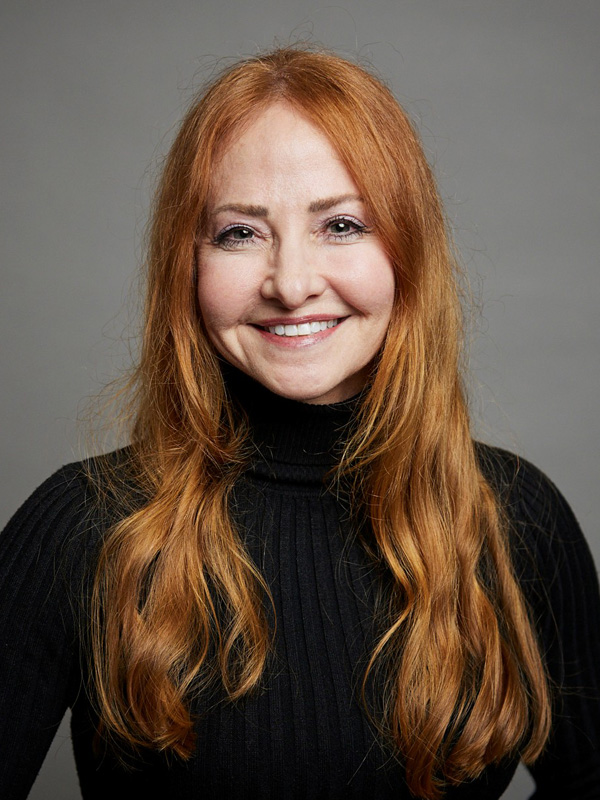 Angie Botto-van Bemden
Patient Partner, Musculoskeletal Research International
How did you become involved in advocating for and/or participating in patient-centric outcomes research?
My involvement grew from working across research and development, medical affairs, and patient advocacy, where I saw a persistent gap between what was measured and what truly mattered to patients. We were already codesigning care and running pragmatic trials around real preferences before “patient centricity” became a buzzword. EUPATI (the European Patients Academy on Therapeutic Innovation) validated that high-quality patient involvement/engagement isn’t optional—it is essential for credible, fit-for-purpose evidence. Without quality public and patient involvement (PPI)/engagement, HEOR risks measuring what is easy instead of what is meaningful. Our focus is ensuring that evidence actually reflects real patient priorities and informs better decisions.
What’s been the most rewarding thing for you about being a patient expert?
Changing the narrative from passive participation to active, informed partnership. Patients are increasingly confident and equipped to define what matters, participate in decisions, and influence development earlier. When patients are partners, research becomes more efficient and impactful. For example, in sarcopenia, patients prioritize function (eg, transferring groceries from cart to car) over muscle mass—functional independence over biomarkers or clinical endpoints. Realizing that patient insights redirect resources toward meaningful outcomes is so rewarding! The biggest reward is knowing that authentic patient engagement in HEOR and improved health literacy lead to better evidence and better health for all.
What’s been the most challenging thing?
The gap between rhetoric and reality. Patient centricity is so often stated but not actually operationalized. Research is still designed without patients, plain language is a courtesy or inconsistent, and engagement can be performative rather than a collaborative partnership. Health literacy remains a huge global barrier, and digital advances risk increasing inequities if not intentionally addressed. Meaningful patient partnership requires cogovernance, accountability, and investment. Closing this gap is complex, yet necessary to ensure patients can access and act on the right care or research opportunities at the right time. We hope readers will reach out and partner with patients (via ISPOR’s Patient-Centered Special Interest Group) so we can!
What’s something that research too often overlooks or gets wrong about what’s important to patients?
It too often prioritizes convenience and clinical proxies over lived experience. It misses daily realities: fatigue, fear of the unknown/expected, loss of independence/cognitive autonomy, caregiver exhaustion/strain/impact beyond clinical proxies, future/life/family planning, participation, productivity, hope, family spillover, etc. Patients prioritize function over biomarkers/endpoints; for example, demonstrating a 20% increase in muscle mass doesn’t suffice if the improvement is not enough for the patient to help pick up a family member after a fall. This means evidence must be understandable to deliver value, and measures must be meaningful to make a difference. Health literacy and quality PPI are non-negotiable for relevant HEOR. Evidence without patient partnership may be rigorous, but it’s irrelevant.
HEOR often involves assessing costs vs benefits of treatments. In your opinion, what is one type of cost and one type of benefit that aren’t considered often enough in these analyses?
A cost that isn’t considered enough is the cumulative patient/caregiver burden: lost income, time, coordination, and cognitive/emotional strain are invisible in claims data and traditional analyses.
A benefit that isn’t considered enough is restored agency—the ability to work, plan, participate, and live with hope or less fear. Whole-health frameworks are important, yet undervalued. HEOR must evolve to capture whole-person value. Prompting early patient involvement, prioritizing health literacy, and applying broader value frameworks are critical to ensuring that analyses reflect what truly matters.
Angie Botto-van Bemden is Executive Director and Founder of Musculoskeletal Research International and Chair of ISPOR’s Patient-Centered Special Interest Group. She is based in Tampa, Florida.